WHAT DOES CIRCULARITY MEAN?
Zurich secondary school, 21.01.2025, 07.15 am. The school bell rings, it is still dark and the morning dew is fresh. The pupils sit punctually on their benches in pairs as the teacher begins the lesson and introduces the topic of climate change. Materials and exhibits from the textile industry are scattered around the room. The teacher explains why there are external guests present today and announces that they will report on circular solutions using practical examples.
Sebastian Vettel and Andreas Fehr stand at the front of the blackboard.

RECOVERING RESOURCES IN CYCLES
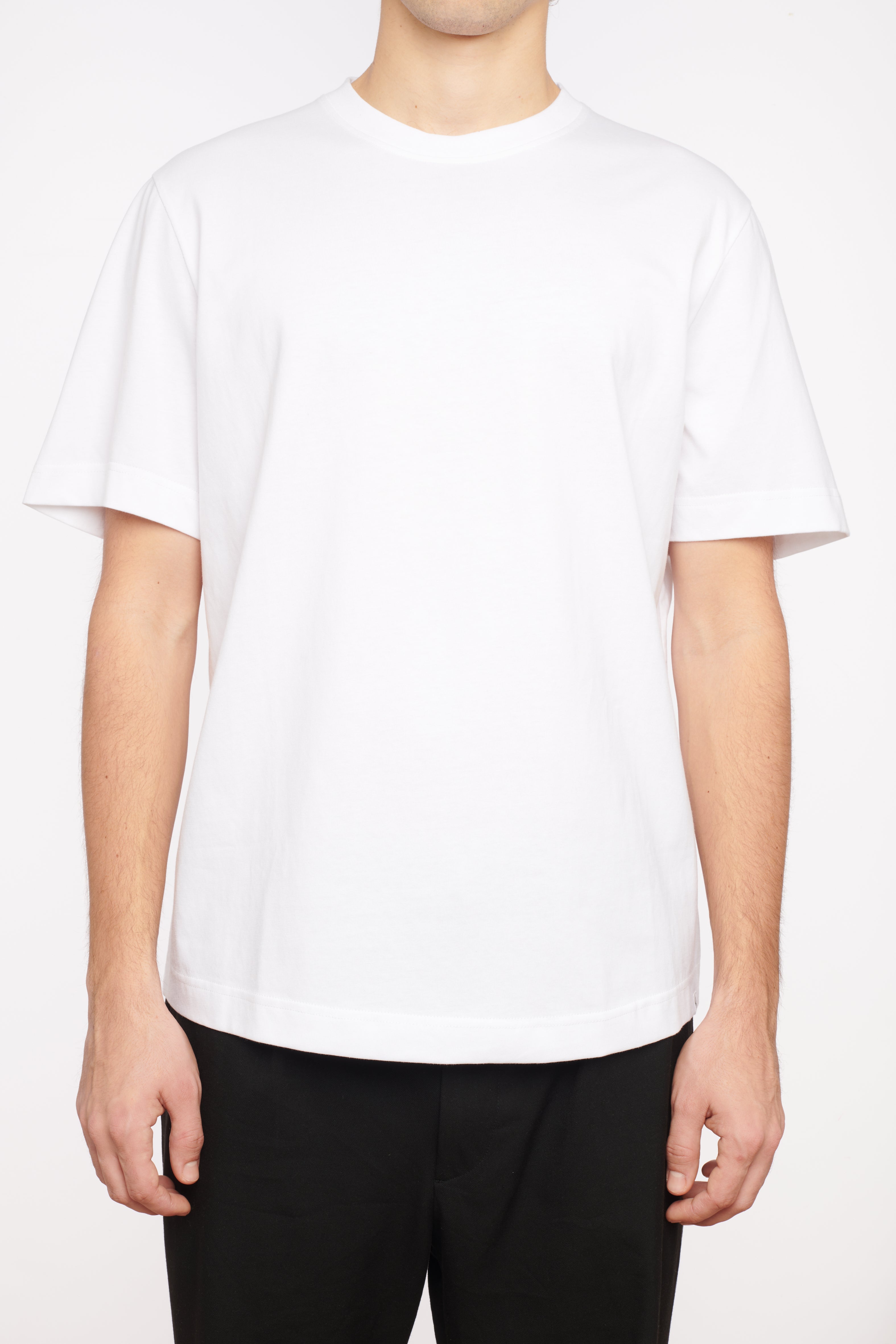
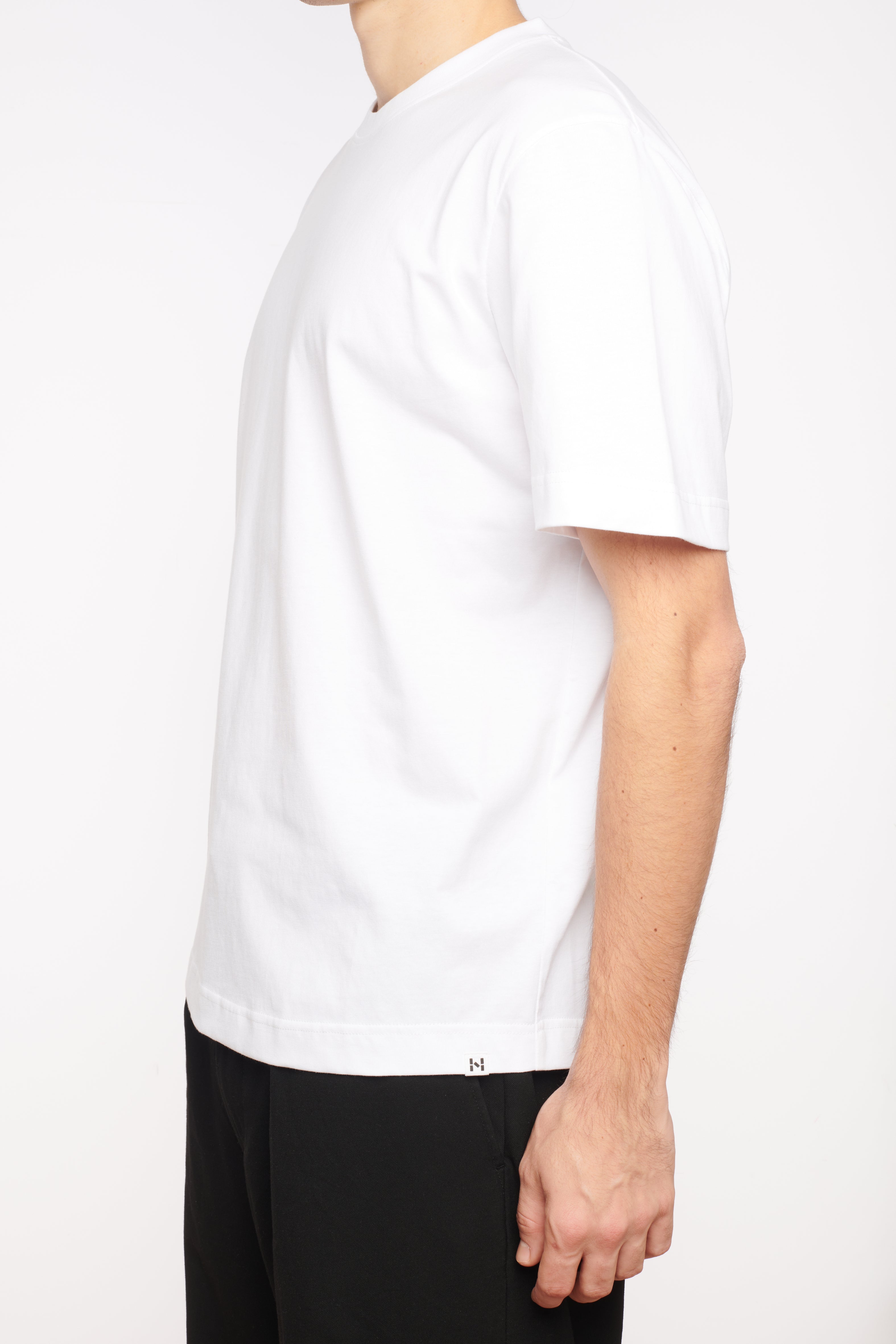
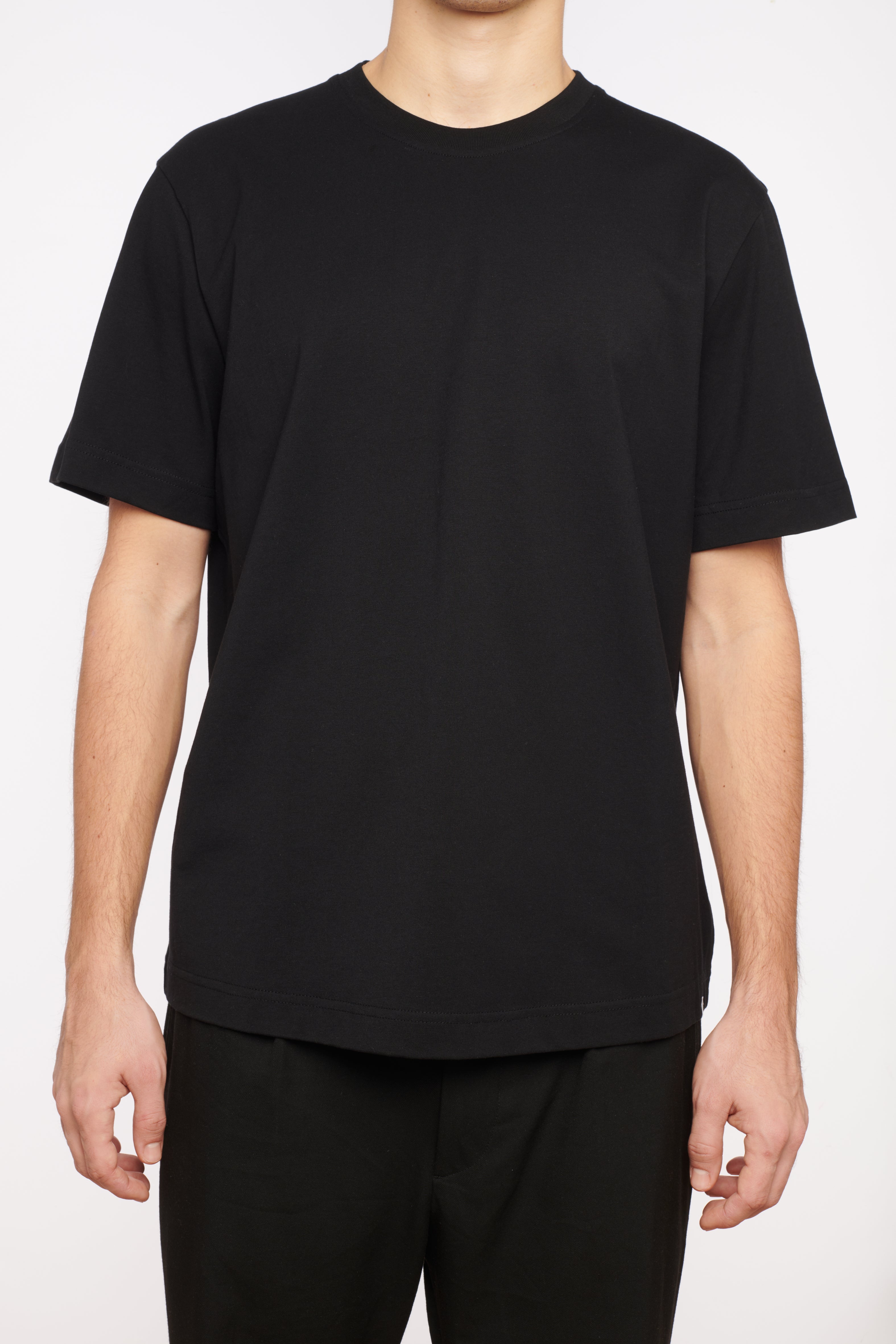
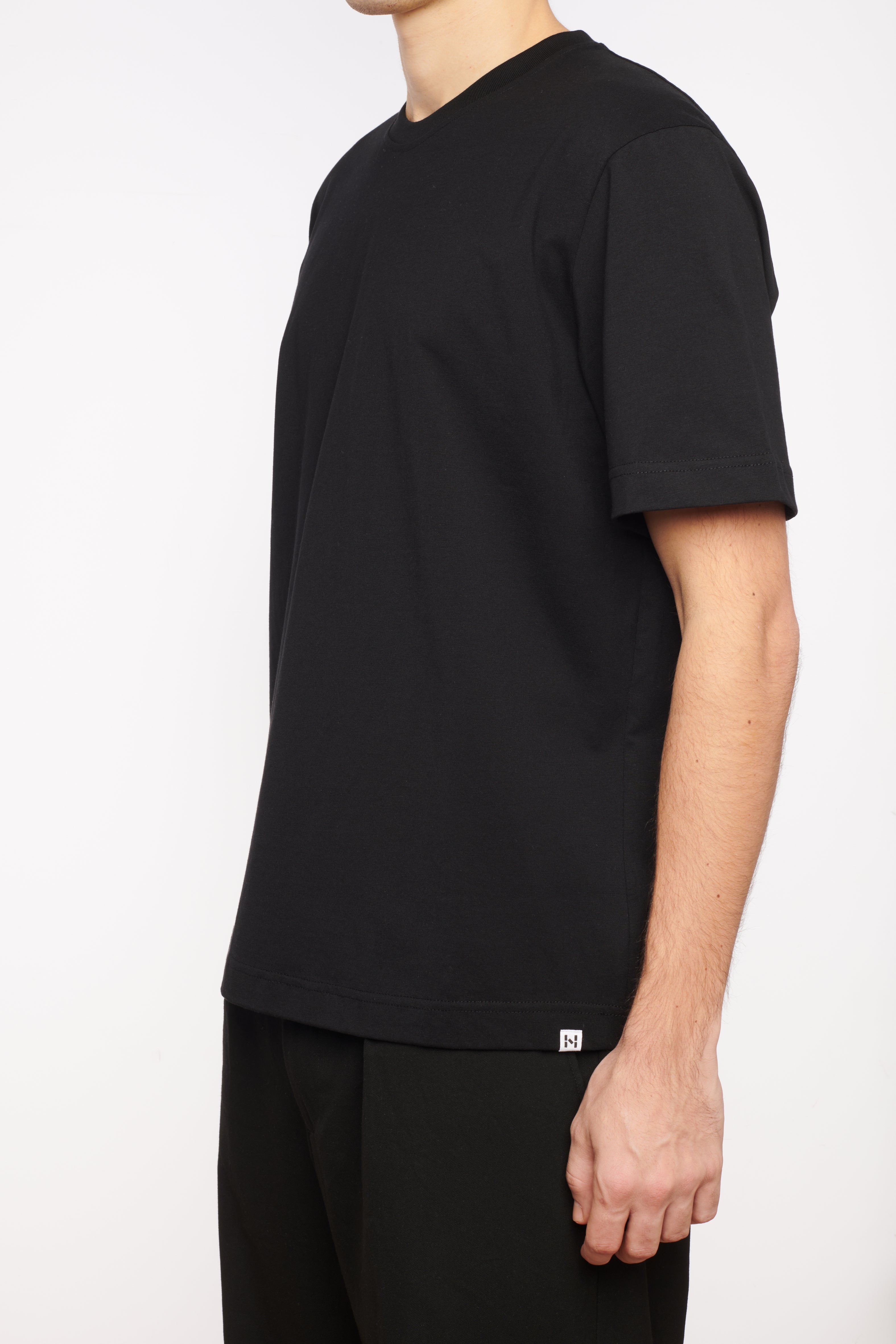
Both introduce themselves briefly. Andreas begins with the first part on the topic of the linear and circular economy. Curiosity and excitement are in the air. He explains what Cradle to Cradle is all about, points out the advantages of mono-materiality and discusses the role of the
consumption.
Sebastian takes over and makes a digression on hydropower, the CO2-neutral alternative to conventional fuels. But first he briefly explains why he is here in the first place:
"I have known Andreas for many years and appreciate his forward-thinking approach. It is this foresight that lies at the heart of the circular economy, where products at the end of their life cycle are converted back into valuable resources that can be used as the basis for new materials or nutrients. That's why I support him on this journey.“
Finally, we get down to business. The pupils delve into the world of materials and products and consider how they can make clothing more sustainable. Their task was to formulate a clear statement with pen and paper. At the end, everyone proudly presents their results with great commitment.


FOUR LESSONS AND ONE BREAK UNTIL NOON
After three lessons, it's time for a coffee break, but Sebastian stays busy: Signing and photos are in demand. The first NEUMÜHLE ends with the final ringing of the school bell for the fourth lesson.

EDUCATION, THE CRADLE OF THE FUTURE
We are convinced that what we experience ourselves is easier to absorb and understand. If we understand topics such as the circular economy and sustainable consumption at an early stage, we can make more informed decisions for the future.
The content of the NEUMÜHLE was developed together with a teacher, is based on Curriculum 21 and was relevant to the Zurich secondary school examinations.

Featured collection
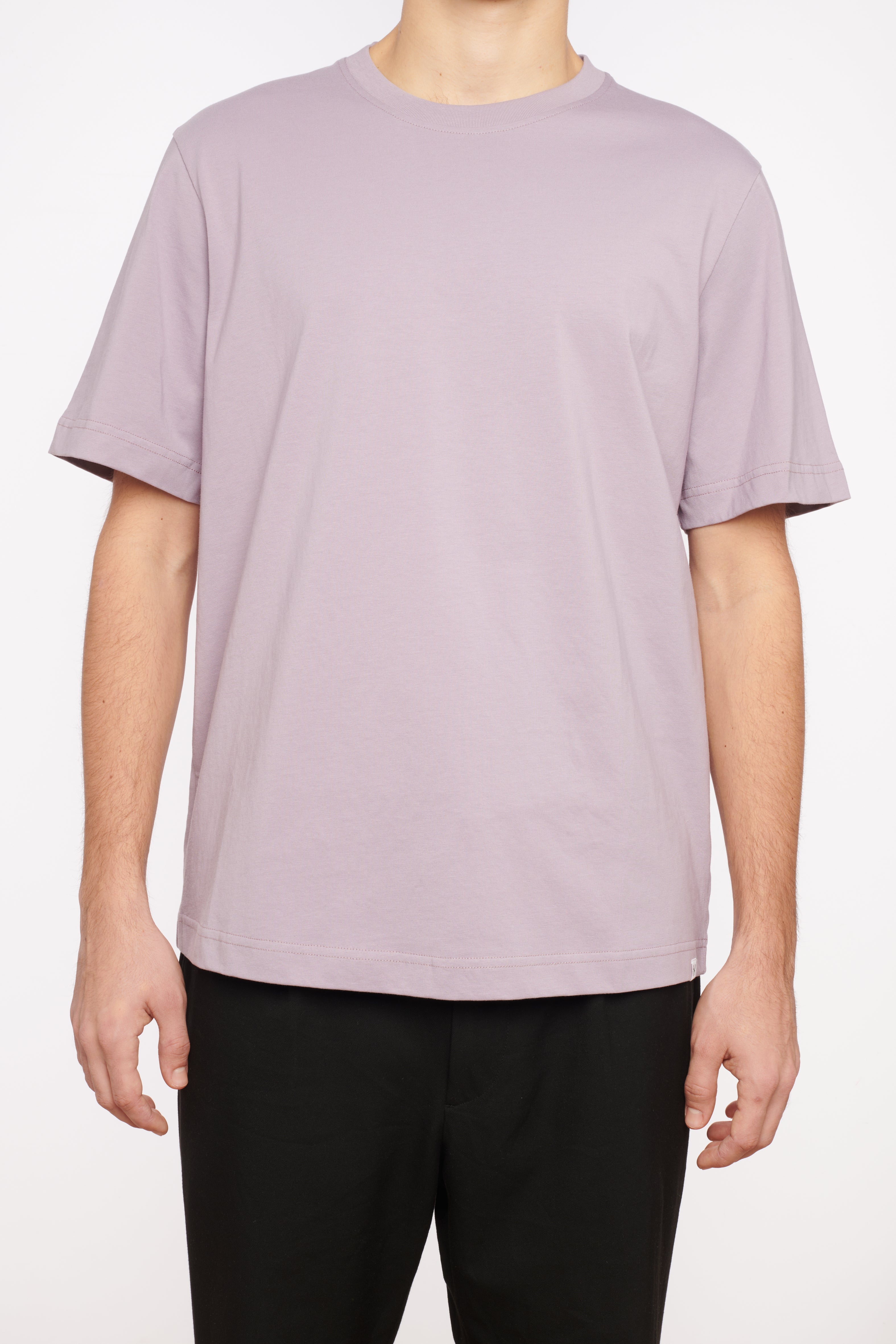
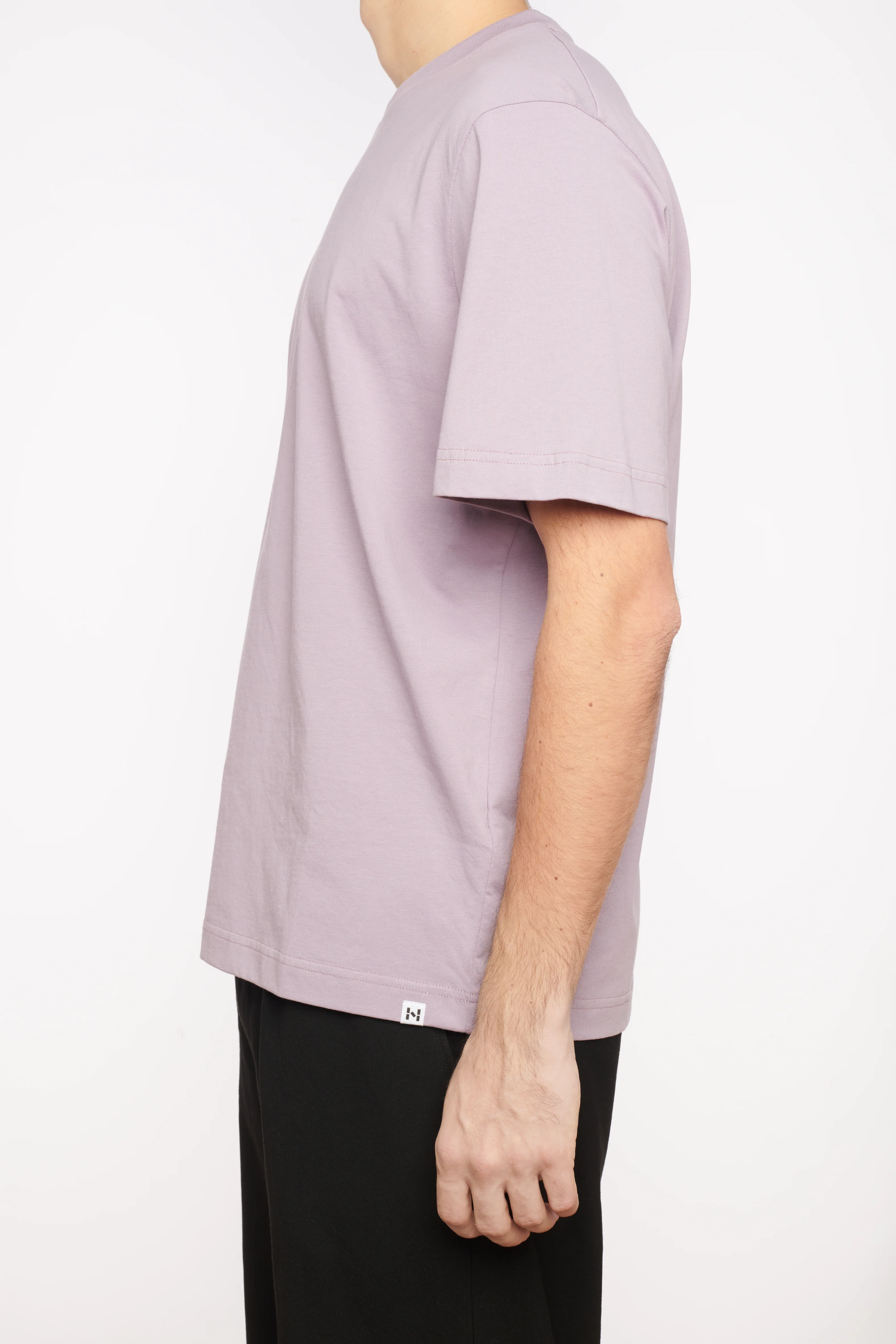
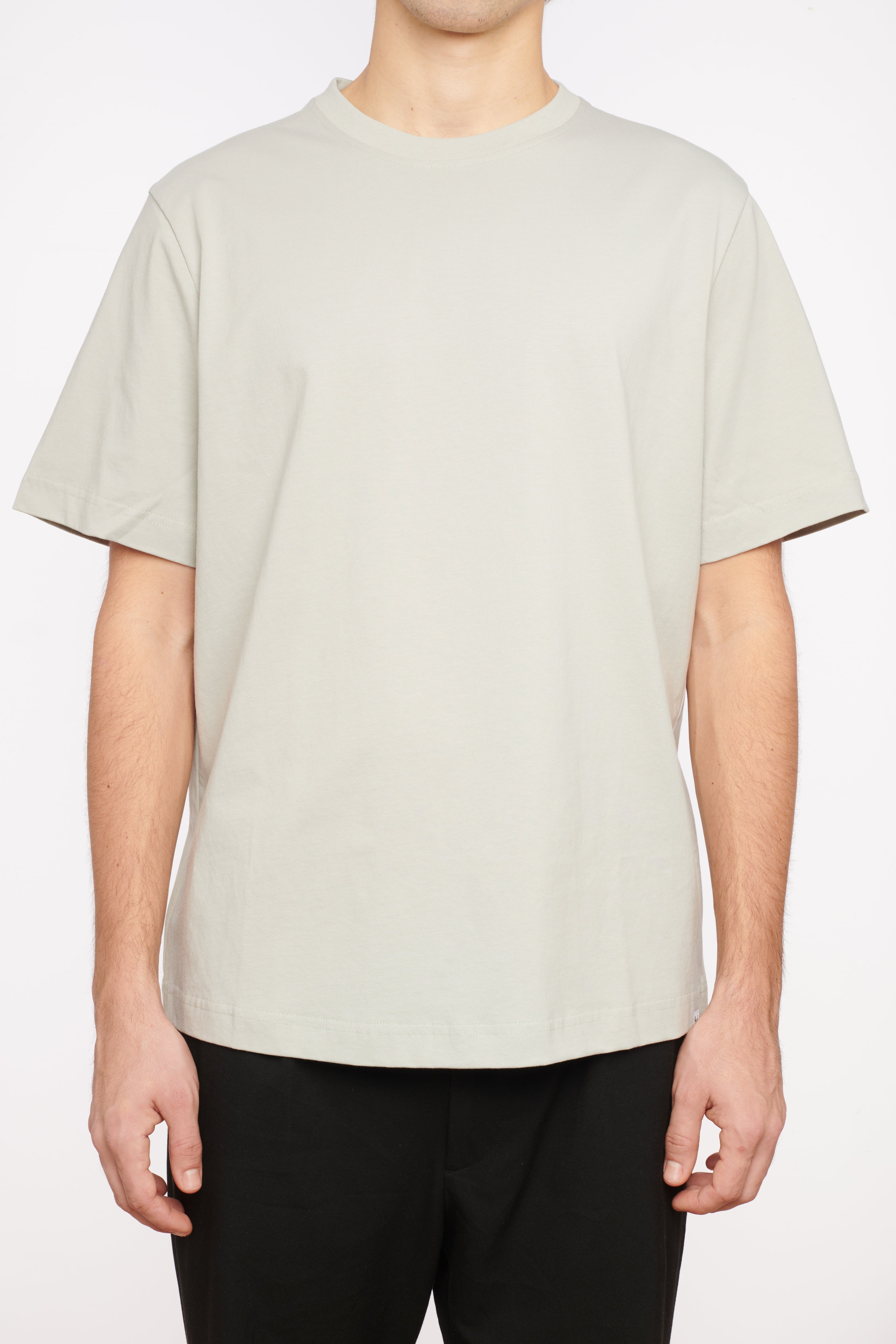
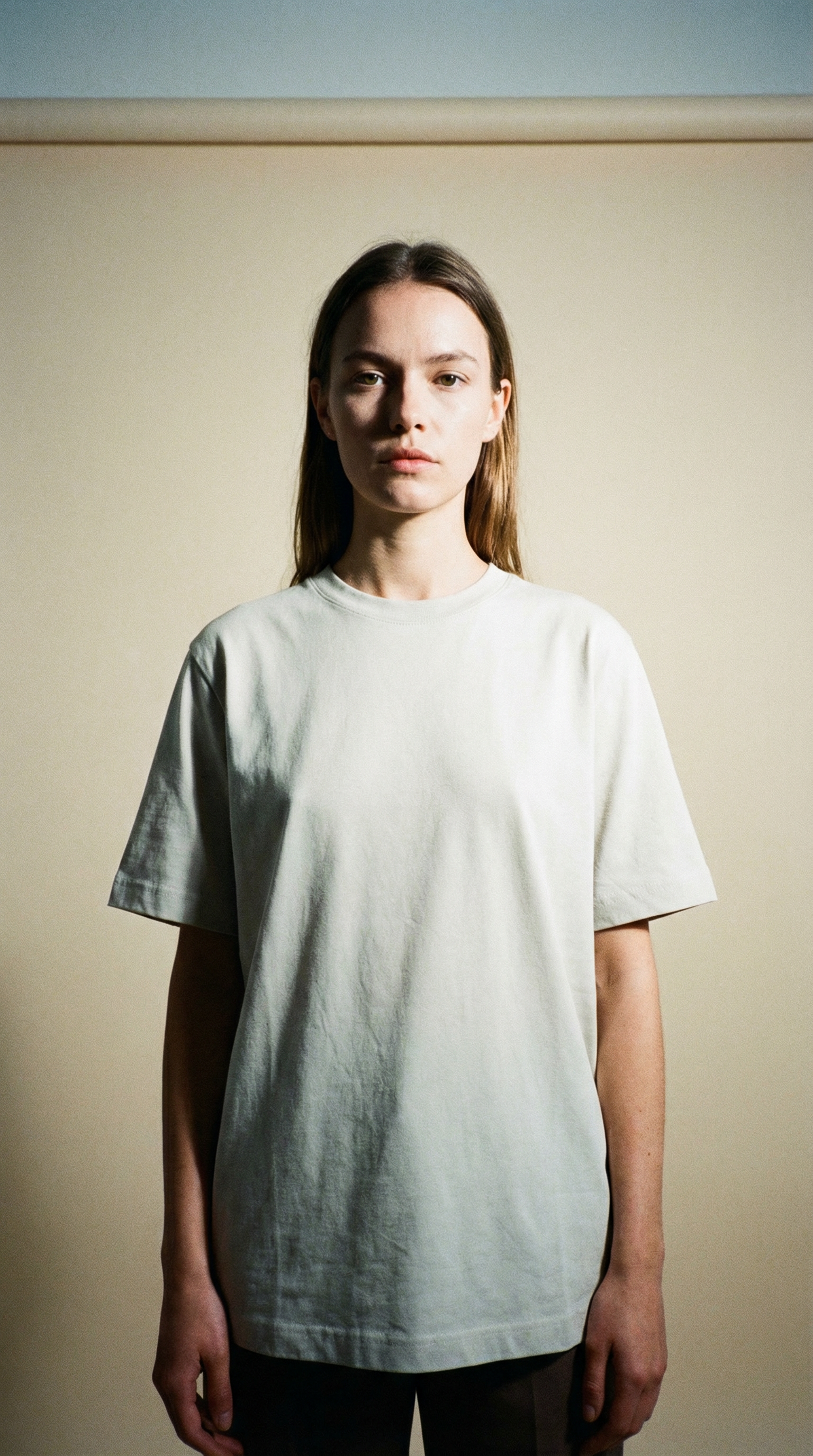
Mono Series™