VAT included.
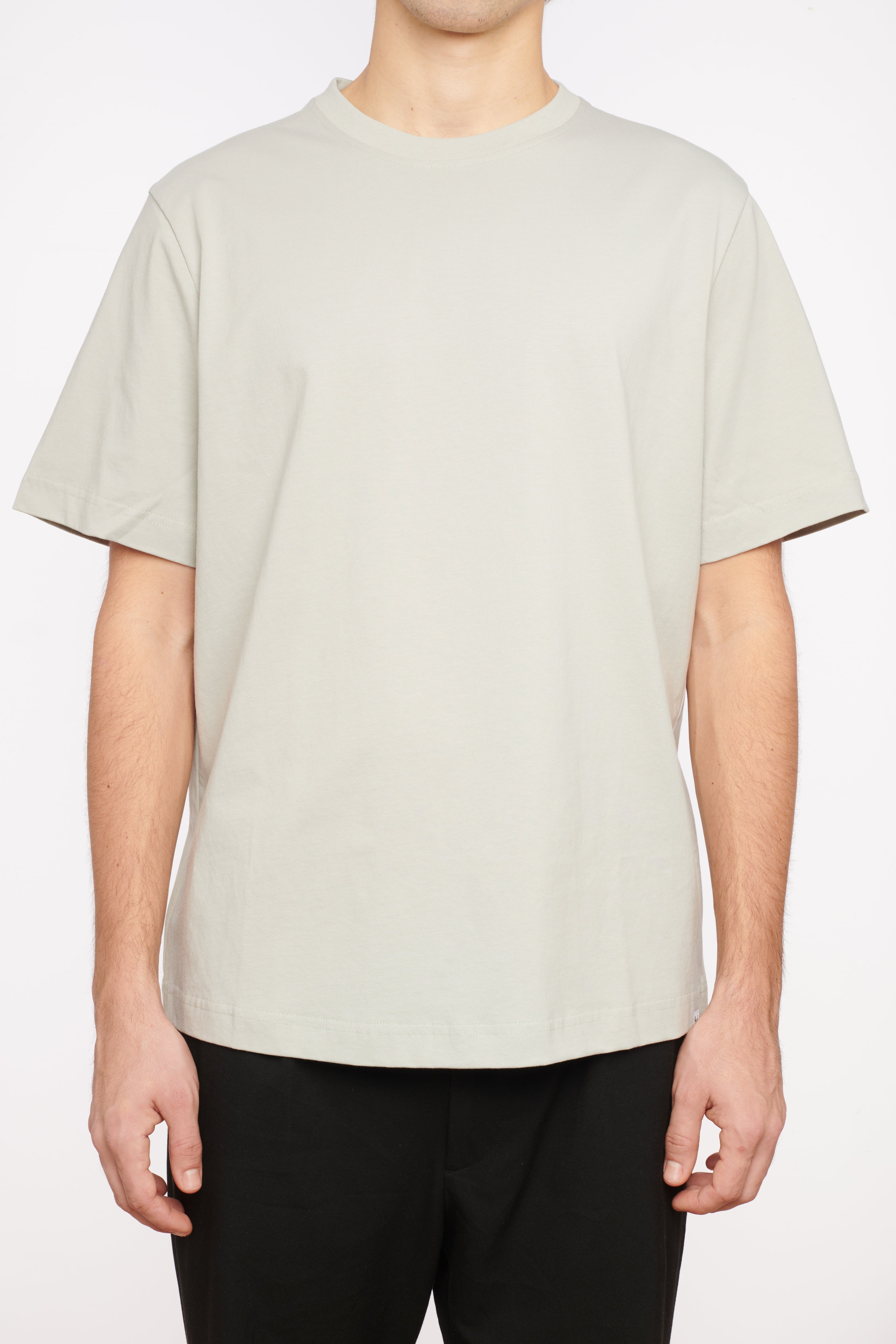
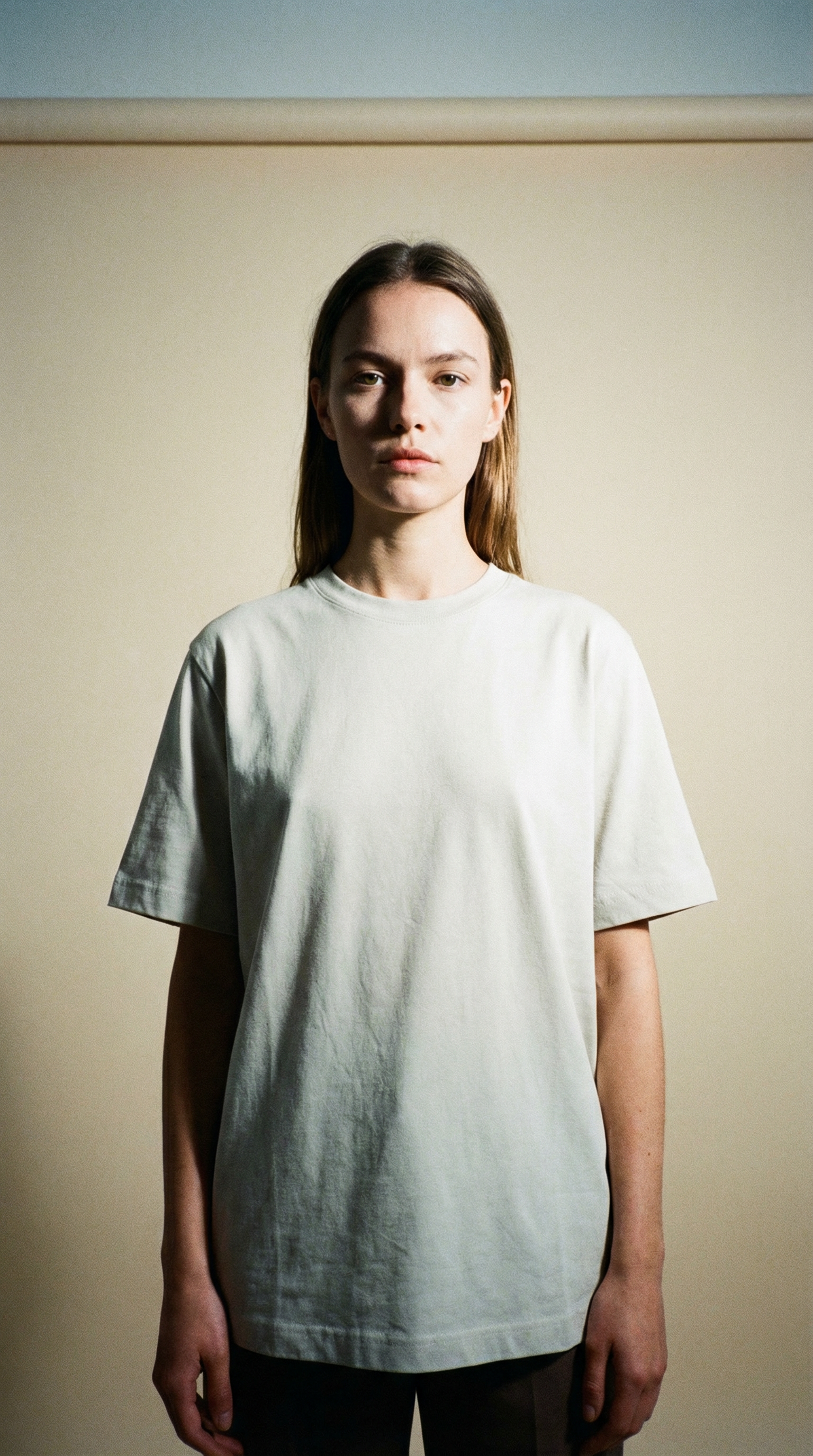
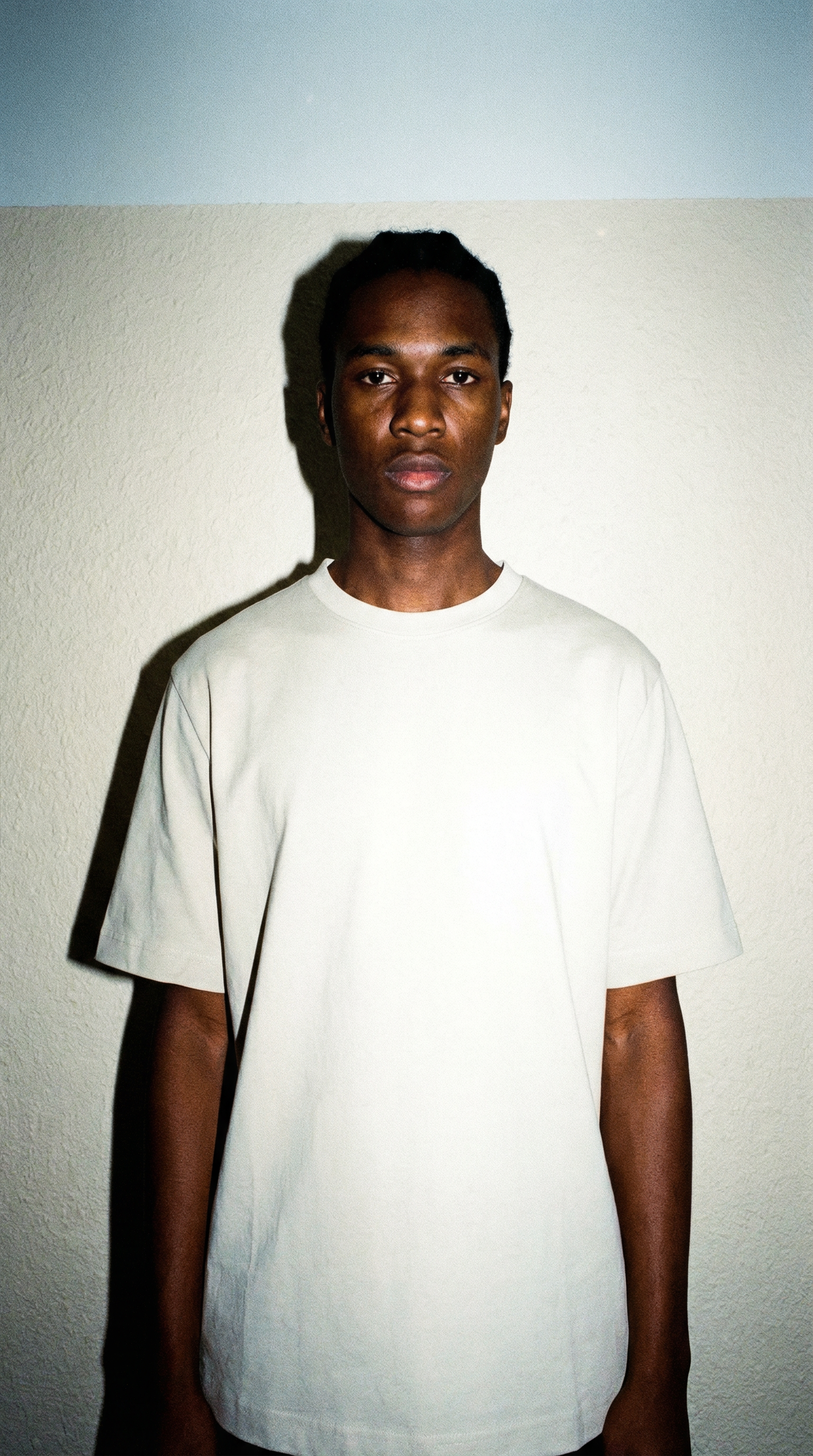
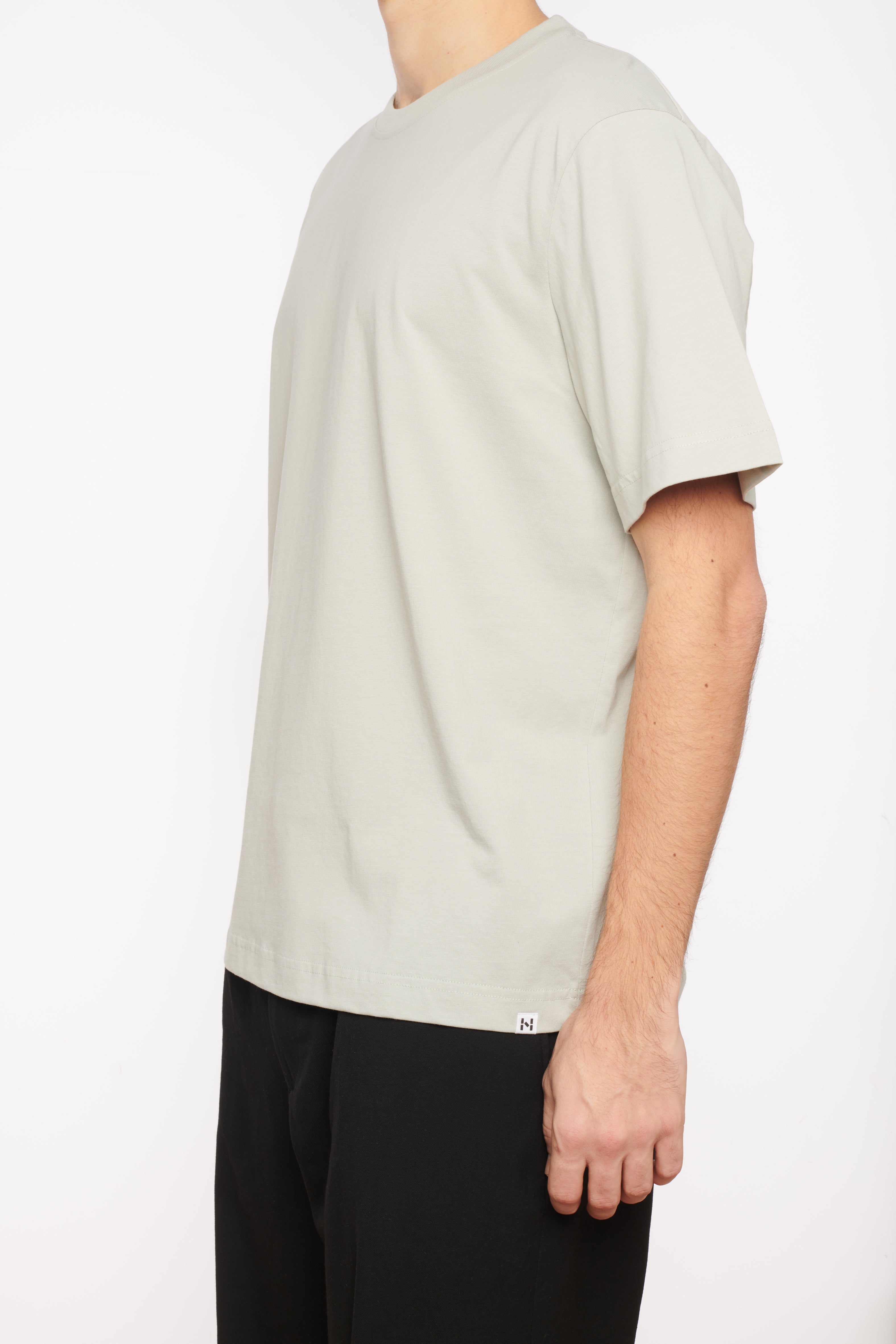
A cycle | Unisex | Relaxed fit
Color:
Olive GreyDESCRIPTION
Our popular and soft mono shirt stands for maximum circularity. Developed from a mono material, it combines comfort with environmental awareness. The breathable fabric and loose fit accompany you in everyday life, wherever you go. The relaxed fit offers you the perfect flexibility and mobility you need. A must-have essential.
Shipping & returns within Switzerland are free of charge. So you can try on your NEUMÜHLE product in the comfort of your own home. You can find the shipping costs for international shipping here.
PRODUCTION SITES
Production: Portugal
Knitting: Portugal
Spinning: Portugal
Dyeing: Portugal
Sewing thread: Germany
Label: Portugal
MATERIALS
Fabric: 100% organic cotton GOTS
Collar: 100% organic cotton GOTS
Sewing thread: 100% Cradle to Cradle Certified® Cotton
Labels: 100% organic cotton GOTS
RAW MATERIAL FABRIC
Organic cotton GOTS: India
RECYCLING MONO SHIRT
Recycling: Turkey (Säntis Textiles)
20,075 kg of CO2 emissions avoided by using ECONYL® yarn instead of standard nylon
3,361 kg of wasterecycled for the production of ECONYL® regenerated yarn
31,846 min Protected social Swiss workspace created in Zurich foundation
228 products given a second life through repair
Choose options
VAT included.
Color:
Olive Grey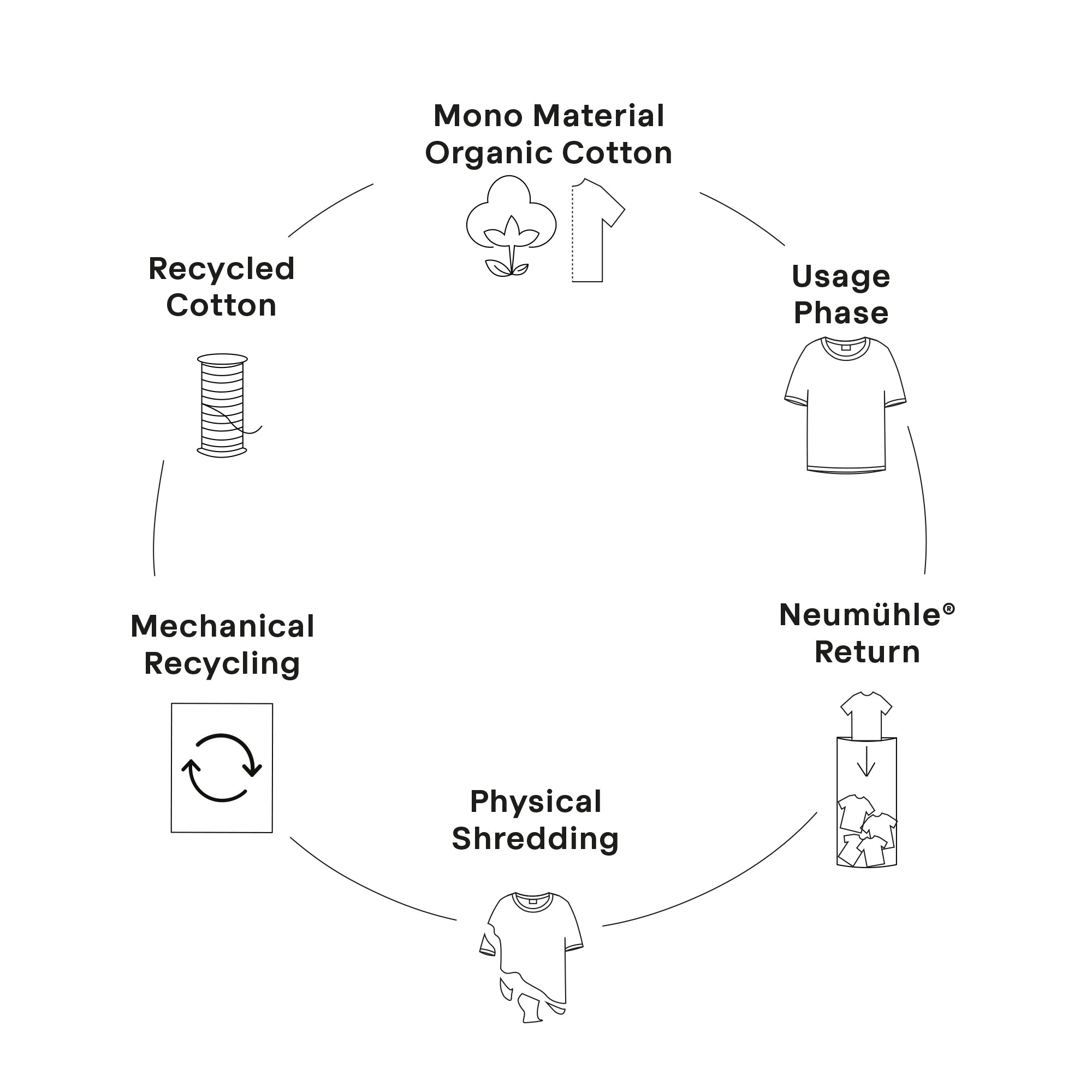
Give your worn mono shirt a second life and contribute to the circular economy. We store it until we have enough for recycling, then we send it to our Swiss recycling partner Säntis Textiles. Your mono shirt is processed into new yarns and the life cycle comes full circle.
AND YOU KNOW WHAT?
Your commitment counts - for every return you receive a 20% discount on your next Neumühle purchase. Together we are creating a world in which every thread has a purpose again. Become part of it and shape a better future with us!